
Quick Wins – Easy Ways To Save Energy In The Home
Energy Efficiency – It All Adds Up
Carbon Dioxide is a fossil fuel and it’s the main cause of man-made global warming. As it builds up in the atmosphere it traps the suns heat so causing the atmosphere to warm up. This happens naturally very slowly but given human civilisation has pumped more carbon dioxide into the atmosphere over the last few hundred years than has happened naturally during the previous many thousands of years, we are definitely having an impact and speeding up this warming. The environment can adapt to natural changes because they happen very slowly but un-natural changes such as a huge increase in pollution in a very short period of time happen much faster than the environment can keep up with.
We have listed our top 10 quick wins below that can really help to reduce energy usage and save money in most homes.
The cost of electricity and gas is steadily increasing year on year and there is no reason to think this will change any time soon. All the more reason to take control of our energy usage, save money and help reduce the impact of pollution on our planet.
1. Turning Lights Off
Turn your lights off when you’re not using them. We waste a lot of energy leaving lights on around our homes when we don’t need to. A single bulb doesn’t use a huge amount or energy but our homes have many bulbs and while they are on they are using energy and costing money. Whats more, by switching a light off for just a few seconds, you will save more energy than it takes for the light to start up again.
This is one of those bad habits that we are probably all guilty of to an extent and we just don’t really think about, but it’s a really easy habit to break.
2. Use Energy Efficient Light Bulbs
Lighting technology has seen huge improvements in recent years when it comes to energy efficiency. LED lights use more than 8 times less electricity than old style bulbs and 5 times less than halogens. They cost a bit more to buy but they also last longer so you don’t have to replace them as often, saving money all round.
If an average household replaced all of their bulbs with LEDs, it would save about £35 a year on electricity bills.
3. The ‘Standby’ Function
A lot of electrical appliances have a standby function. This is built in technology that means the appliance hasn’t really been switched off, it’s just entered a low power mode. It’s built into appliances for convenience – it means when you switch the appliance back on the start up process is slightly quicker than it the appliance had been fully switched off. Most modern TVs, DVD players, computers, dish washers, microwaves, washing machines etc all have a standby mode. If it has a little red power light that’s on even when your not using the appliance, it’s in standby it’s using power and its costing you money.
Almost all electrical and electronic appliances can be turned off at the plug without upsetting their programming. Broadband routers sometimes run updates overnight and digital TV receivers might need to remain switched on if you have something scheduled to record but in general almost everything can be turned fully off when you are not using it. Check your instruction manual if you’re not sure or ask the manufacturer.
A survey by the Energy Saving Trust showed that between 9-16% of the electricity consumed in homes is used to power appliances when they are in standby mode. If your annual electricity bill is around £500, this could account for as much as £80 spent per year powering appliances and devices when they are on Standby.
4. Phone & Tablet Chargers
These days mobile phones only take a couple of hours to charge, if that. When they are fully charged you may think you are no longer using power but you are. As long as a charger is plugged in and switched on, it is using electricity and costing you money. Even when the device is fully charged and even if the device is no longer attached to the charger!.
A phone charger switched on and attached to a fully charged phone is using considerably more electricity than a TV sat in Standby mode. They are often left plugged in and switched on over night, beside the bed as you sleep, spending your money.
5. Computer Chargers
Some of the most power hungry devices are those that have a power converter built into the power cable and laptops are a great example of this. The converter is the small black box often found half way along the power lead. It converts AC electricity into DC electricity and because it is constantly monitoring the power feed to the device it can use a significant amount of electricity, regardless of whether the laptop is fully charged or even switched on.
It is so easy to leave a computer plugged in and switched on when you are not using it but it’s using energy and costing you money the entire time.
6. Saving Energy In The Kitchen
There are very simple ways to save energy in the kitchen:
When making a cup of tea, rather than filling the kettle, just use the right amount for what you need. Whether you use gas or electricity to boil your kettle, boiling less water means using less energy.
When the dishwasher is finished, switch it off, don’t just leave it on standby (if the cycle has finished but the little red light is on, its using power). Same with the washing machine.
Your microwave often has a digital display that shows its status and sometimes has a clock on it. Same as the oven and hob. They often stand un-used for well over 20 hours a day, still using power and costing you money. These appliances do not need a standby function to save time powering up, you switch the power supply on and they are ready so there is no benefit to leaving them on all of the time.
7. Saving Energy In The Bathroom
Take a shower instead of running a bath. A shower uses less hot water than a bath which means you are using less energy and saving money.
If your shower takes hot water straight from your boiler or hot water tank (rather than an electric shower), fitting a water efficient shower head reduces hot water usage while retaining the sensation of a powerful shower. Replacing a 13 litre / minute power-shower head with a 7.7 litre / minute water efficient shower head, uses significantly less energy and with a shower that is used 20 times a week this could save up to £75 a year in energy costs.
8. Draught proofing
Most new build homes are designed to be as draught proof as possible. Older homes often lose a lot of heat through gaps around doors and windows and between floorboards. An open fireplace is like an open window, warm air rises and there is often nothing stopping it from moving straight up your chimney and out of the top.
Draught proofing wherever possible means less heat escapes which in turn means you need to use less heat to keep your home warm, saving energy and money.
9. Heating Your Home
Heating systems use a lot of energy but we can manage and reduce energy usage and heating bills by using them wisely.
Fitting a room thermostat in the room you spend most of your time in will help you to manage your heating. Without a thermostat we tend to heat our property until we feel it is too warm and then we turn the heating off. Getting to that point means we are wasting energy and probably quite a lot of it. The thermostat allows you to set a comfortable temperature so the heating will switch off automatically when the desired temperature is reached.
Using radiator thermostats properly in all other rooms gives you control over how hot you want them to be. If you are not using those rooms very much turning the thermostat down means you are using less heat in that room. Older radiators often down have very good controls and can be stuck on high most of the time. Bathroom radiators are often a good example of this.
If your heating system has a thermostat and appropriate radiator controls, turning down your room thermostat by just one degree can save around £75 a year from an average heating bill.
10. Smart Meters
Smart meters do a couple of things, they send accurate meter readings automatically to your supplier so you don’t need to read your meter and no one needs to visit to read it and they come with an energy monitor that allows you to see how much energy you are using real time, including the cost.
This ability, to check your own energy usage real time, has proven to be very popular and has driven a real behaviour change with those who have a smart meter. Seeing actual usage measured in units and pounds and pence totting up is a great incentive to cutting down on your energy usage where you can, be it turning lights off, unplugging chargers or managing your heating better.

Minimum Energy Efficiency Standards (MEES)
What are the ‘Minimum Energy Efficiency Standards’ (MEES) for EPCs and why are they important?
Domestic EPC Exemptions from MEES Minimum Rating
MEES Exemptions allow landlords to let properties that do not achieve the minimum energy rating
What Does An EPC Assessment Involve and how to prepare
Get ready for your assessment, find out what we need to see and do to complete an EPC
What Are The Legal Requirements For EPC’s and do I need one
Understand the current legal requirements for EPCs when renting or selling a property
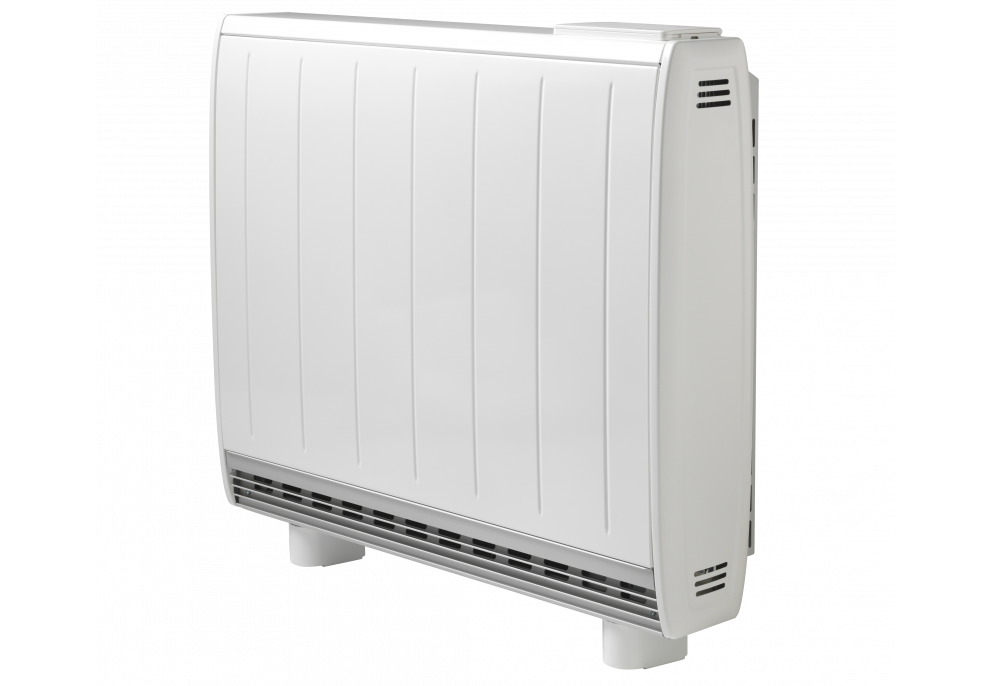
High Heat Retention Storage Heaters
What are High Heat Retention Storage Heaters and how do they compare to electric panel heaters?
Domestic EPC Exemptions from MEES Minimum Rating
MEES Exemptions allow landlords to let properties that do not achieve the minimum energy rating
What Does An EPC Assessment Involve and how to prepare
Get ready for your assessment, find out what we need to see and do to complete an EPC
What Are The Legal Requirements For EPC’s and do I need one
Understand the current legal requirements for EPCs when renting or selling a property