
Windows
Replacing single glazing
Swapping out old single glazed timber or metal windows for modern uPVC double or triple glazing windows or replacing single glazed timber sash windows with double glazed timber sash windows that are fully draught proofed will make a good improvement to the properties energy rating.
You should always check your local authority to see if there are any specific rules where you live that determine what type of windows you are allowed to fit. There may be restrictions in conservation areas or on protected buildings. Modern timber double glazed sash widows are often accepted in conservation areas as long as they look like what they are replacing.
A more cost effective alternative is to install Secondary Glazing to single glazed windows. Secondary glazing involves installing a secondary window on the room side of your existing primary window. It is usually fitted onto the existing timber window frame. It’s not as energy efficient as uPVC double glazing as there is no inert gas in between the panes but it is an improvement to single glazing at a much lower cost than double glazing.
Ensuring all windows are draught proofed will also help improve the properties energy efficiency. uPVC windows have draught proofing built in whereas timber frame windows usually don’t.
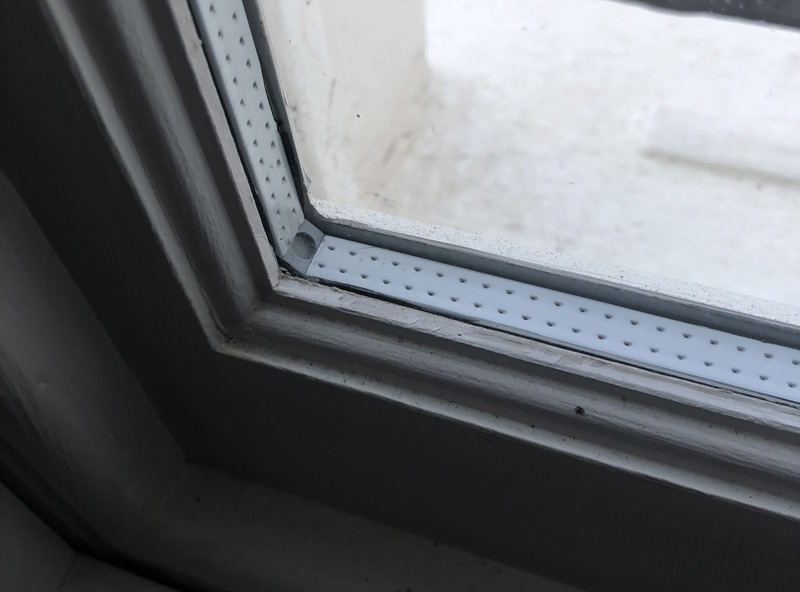
Timber Double Glazing With 12mm Glazing Unit
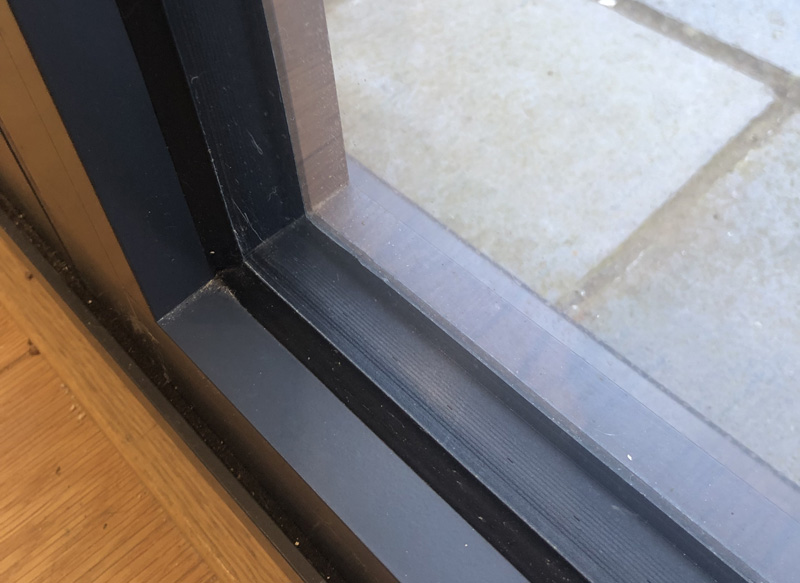
uPVC Double Glazing With 28mm Glazing Unit